When someone wants to change a plan number, the questions to ask are: “Why? Which assumption has changed, and is there agreement on the impact of the changed assumption?”
Think about the demand planner when someone instructs that a planning number be changed without explanation. (By the way, the same goes for supply planners.) The effort behind the creation of the demand plan is under-valued and disrespected.
Think about it this way: You don’t look at your watch to tell it what the time is. You don’t visit the doctor to give them your diagnosis. Yet all too often we find demand planning organizations that are dutifully taking forecast numbers that have been handed to them and “getting them into the system.”
This behavior drives a variety of negative outcomes. For the most capable demand planners, they become demoralized about being overridden and told what to do, perhaps by stakeholders who are less skilled at planning and forecasting. The company has turned a racehorse into a mule, with all the associated behavior.
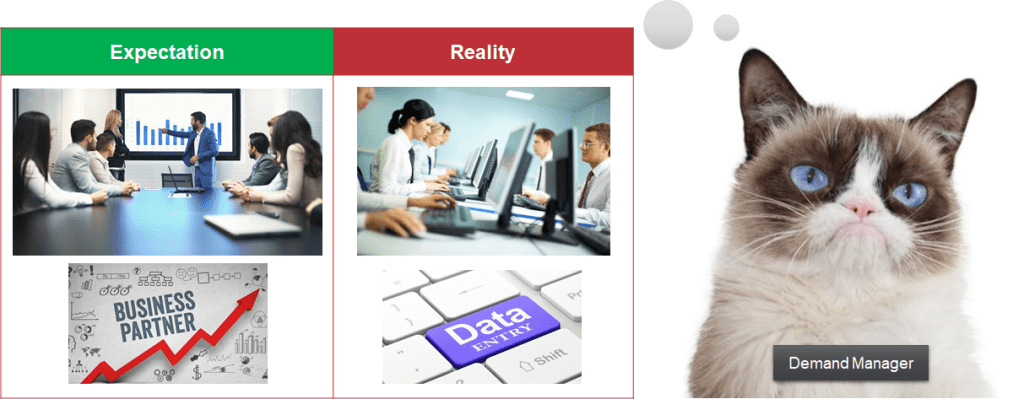
For less capable demand planners, they tend to acquiesce and take on a data entry role. This in turn reinforces the perception that demand planning is just a front-end to supply, rather than a true business partner or trusted advisor. Worse yet, the demand planning organization is most often measured on forecast accuracy, which turns into a blame game as the demand planners simply point to the ways in which their views and insights were overridden.
The organizational and behavior implications described above should not be ignored. When accountability for business decision making is not aligned with planning activities, failure is almost assured. Companies can (and do) sink millions of dollars into systems and processes, and never succeed. No amount of investment can compensate for the impact of autocratic changes to plans.
 Greg Spira
COVID has thrown everything on its ear. My struggle is waiting for the sorting out of COVID or the New Normal? Some of the unexpected growth has some permanence to it. Others are watching the sales level off without understanding that the entire supply is depleted with an over reaction to not make anything. Another thing that has come to light is that as sales scream cuts during the crisis, the customer days of supply are much larger than most people thought it was.
LikeLike
These are all key assumptions for leadership to be aligned on. That doesn’t mean we know what the future will hold, but we should know what our demand plan reflects. Assumptions like customer inventory levels and expectations around the “new normal” are key, otherwise we won’t be able to effectively scenario plan.
LikeLike